What’s the Problem?

Here’s a short presentation which brings together the major issues we have found from talking to home buyers and residents about estate charges over the last 8 years.
Powered By EmbedPress


Facebooktwitterredditpinterestlinkedinmail

Consultation Season Open Now

As you will know, the LAFRA (Leasehold and Freehold Reform Act) passed its first stage well over a year ago. since then the government have been working on the detail of this mainly leasehold legislation against strong opposition from the property and financial sectors. Unfortunately for us, privately managed unadopted estates have been lumped in with leasehold legislation.

We do welcome abolition of section 121 and 122 draconian measures to forfeit our homes in the event of a small debt and tight regulation of agents is a good stop gap measure along with a right to manage. Our major concern is that these measures will become the permanent solution, resulting in a two tier system. For this reason we argue that adoption of all estates with public areas should be adopted, existing and future. It is the only measure to bring fairness and resolve all of the issues arising from private management.

We feel the focus on rogue agents has caused the government to miss the point – it is the lack of adoption as confirmed by the CMA (Competition and Markets Authority) in its 2024 Housebuilding Market survey. 250 individuals responded to their consultation and we know it made a huge difference to the authorities understanding of our situation, so PLEASE overcome any consultation fatigue you have and do this first quick survey for the scrutiny committee of back bench MPs looking critically at what the government is proposing at survey

In the unlikely event of you being short of words, we suggest answers along the lines of:

4) Estate charges on privately managed estates are often mislabelled as a leasehold problem, but they are not about tenure at all. They affect everyone who lives on the estate, freeholders, leaseholders, social housing tenants, shared ownership residents and renters because the charges arise from the failure to adopt roads, lighting, drainage and green spaces as public amenities. Developers build estates, councils approve them through planning, but adoption is avoided, leaving private management companies in control and residents paying indefinitely for infrastructure that would normally be publicly maintained. Leasehold reform alone cannot fix this; the real issue is a planning and governance failure that requires separate legislation to mandate adoption, including retrospective adoption, and to end the default reliance on private estate management.

7) – Other We need the government to legislate for retrospective universal adoption as it is the only way tackle the injustice of privately managed estates

8) Estate charges for privately managed estates require new legislation to abolish them for estates with public access. Regulation isn’t an appropriate remedy 

There are two consultations from the MHCLG to respond to which will inform the government directly. We have also published our initial top level responses to these here

The consultations are long, and it is proving an uphill task to create any usable template, but we encourage you to complete them using your own situation as evidence. Just answer the questions relevant to you. Even if you feel you don’t have much to contribute, every voice IS counted.

The exploitative nature of managing agents is well known and addressed in the LAFRA. It would help if you can talk about the effects of lack of adoption on you and your estate/local community. If you have any ideas about moving existing estates towards adoption, please share. We think a right to manage with land ownership could be a stepping stone so that residents can then negotiate with their councils. Ideas for funding adoption will be very important in getting over treasury objections.

Reducing the prevalence of private estate management arrangements this asks about adoption arrangements. If you have any ideas about or experience of retrospective adoption, please share here. This is where we can argue for adoption of all public spaces and amenities.

Enhanced protections for homeowners on freehold estates this one is about regulating agents and possible RTM. Remember that all this does is defend against exploitation by agents. you still have an open ended liability for the upkeep of public amenities on estates.

We feel that responding to this one in detail will not communicate our message efficiently and that an email response will be sufficient. the address is:-protectinghomeowners@communities.gov.uk It appears to be a dedicated mailbox, but advisable to include “Enhanced protections for homeowners on freehold estates”in the subject line. We may shortly produce a template to assist you.


Facebooktwitterredditpinterestlinkedinmail

Why Regulation Doesn’t Work

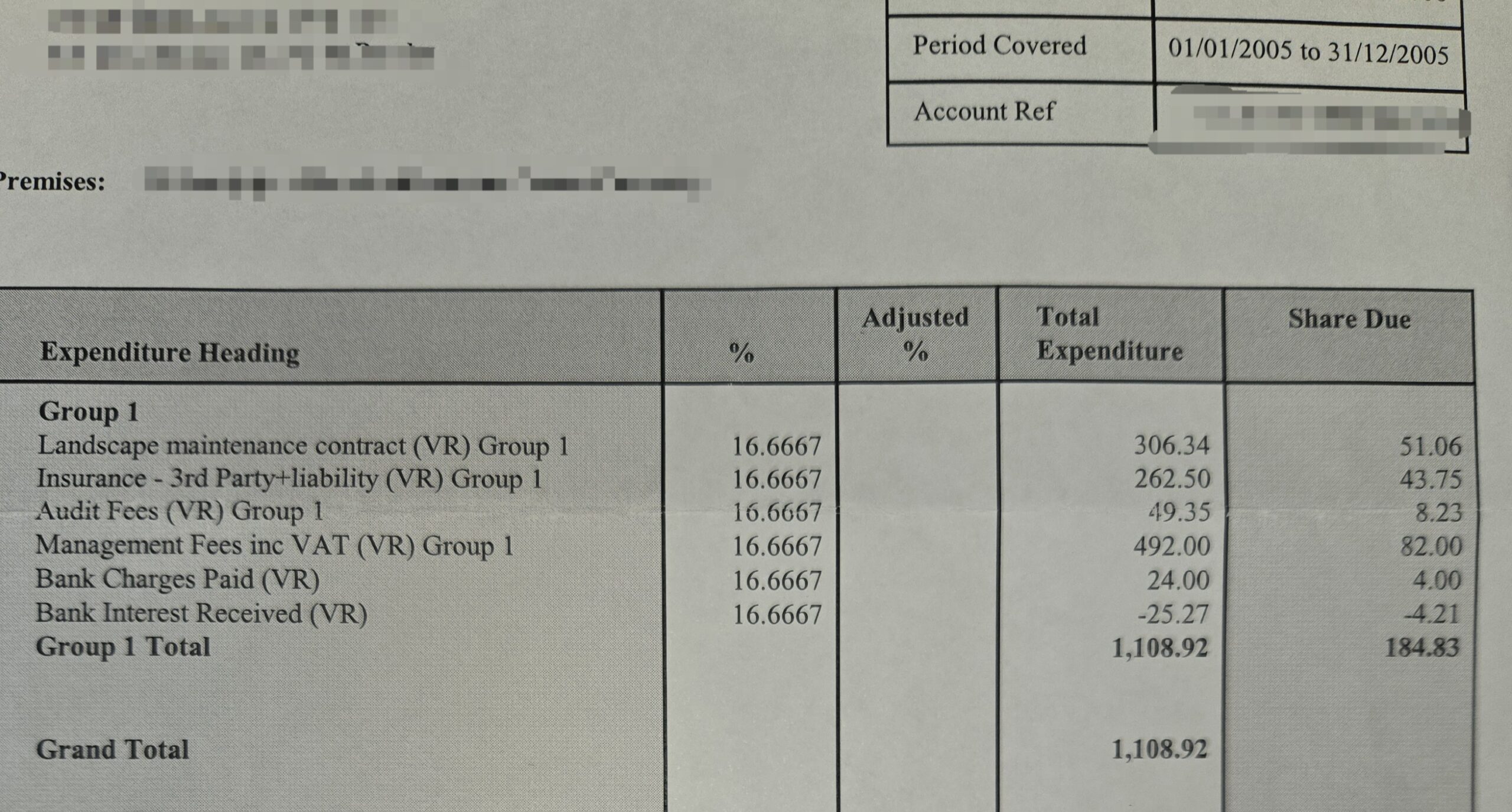
Here is a perfect example of regulation NOT being the answer for estate residents. The properties are on an ex MOD site in NE Scotland. Managing agents known as factors ARE regulated under Scottish law. Redundant MOD estates are unadopted and sold to developers to refurbish and market. Prices paid are low and the residents mostly are on low incomes. they know they have a factor, but are unaware of the extent of their liability for land maintenance.

The recent article in the local press is here:- https://www.forres-gazette.co.uk/news/we-still-don-t-know-how-much-this-is-going-to-cost-us-re-421183/

if you can’t read it here is a pdf copy:-

We feel that examples like this could be quoted in arguments for adoption rather than merely regulating agents in the Westminster governments upcoming consultations.

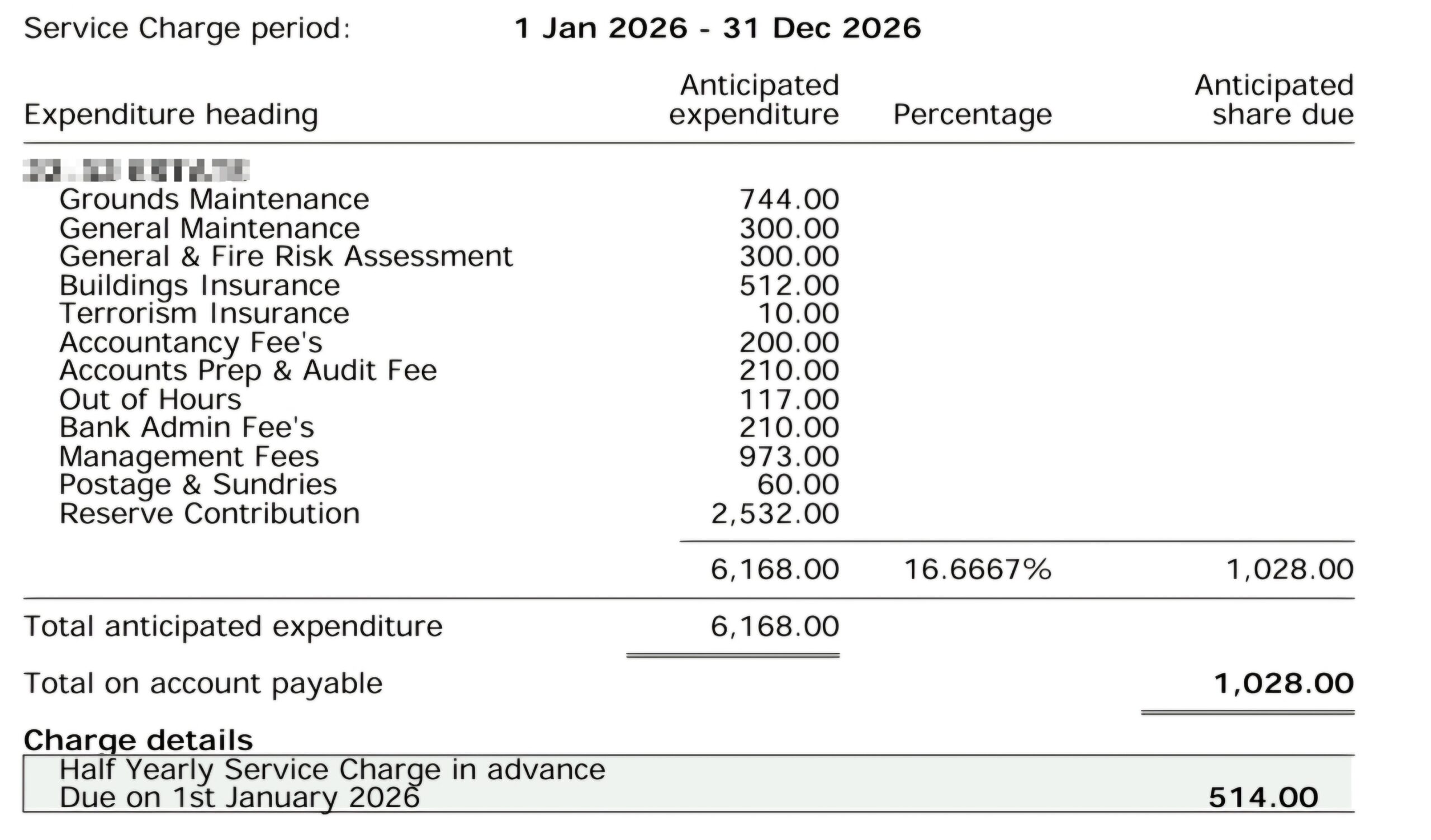
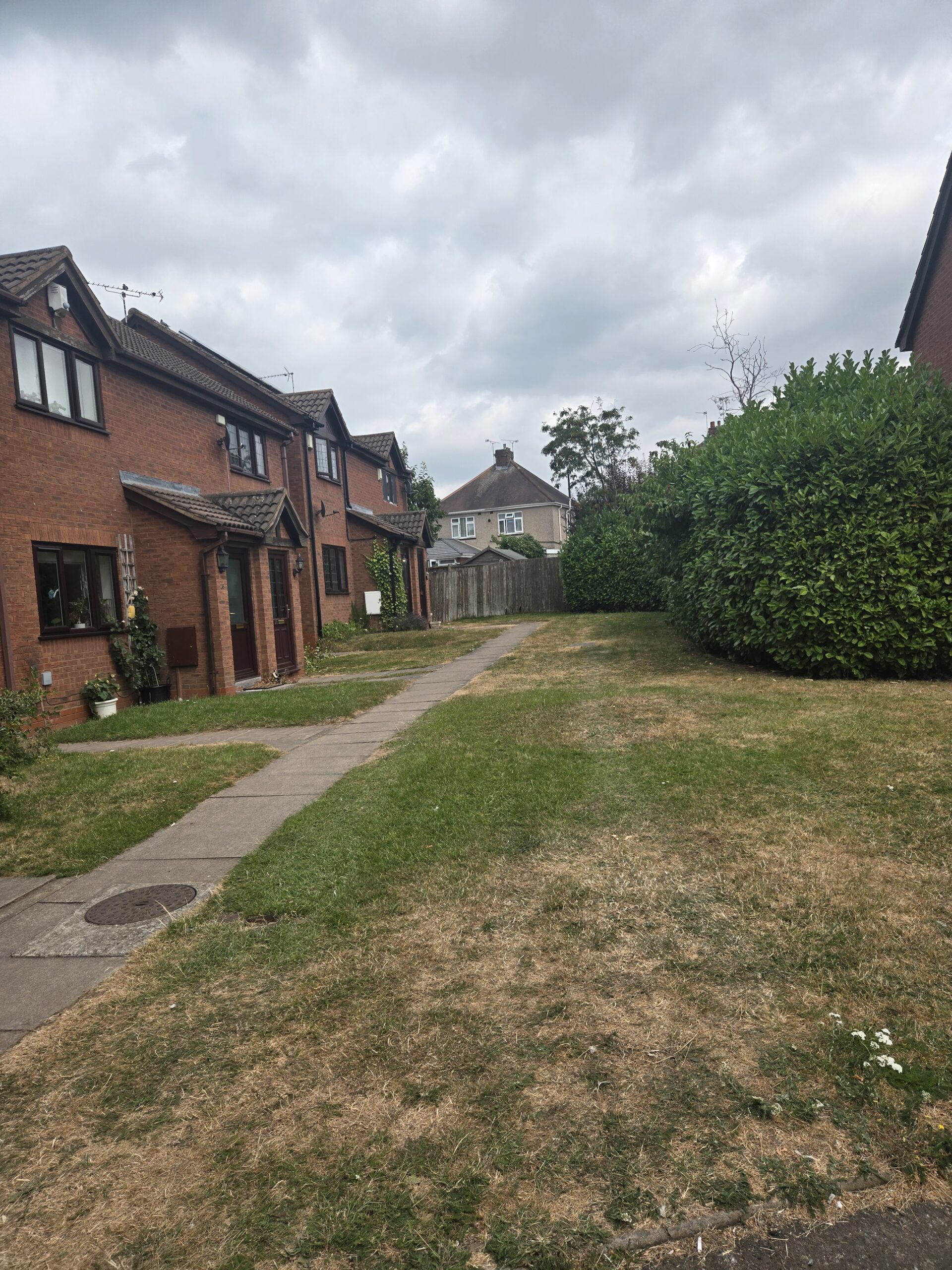
and here’s another defect – this time from England


Facebooktwitterredditpinterestlinkedinmail

Hornet Responses

Slow but sure or too little too late?

The government have just announced two consultations. one on adoption instead of private management and another on improving rights of existing estate dwellers with estate charges. Along with these the secretary of state, Matthew Pennycook, has also announced that the draconian remedies in the Law of Property act 1925 (section 121 and 122) are to be repealed.

We welcome the opportunity to respond and the generous time given for response (12 weeks) we will provide guidance to our supporters to help them consider how to respond early in the new year.

We are pleased to read that the government are working towards the two main CMA recommendations of :

1) more LA adoption

2) giving more rights to those on existing estates

Our initial response is qualified by the following major points:

1) We have a continuing concern that a two tier system is developing, thus devaluing homes on existing privately managed estates. There is a need for greater speed of action to stop this gap growing ever wider. Buyers will always go for a home on an adopted estate, all else being equal.

2) As we have been saying for years now, regulating agents and/or self management does not remove the liability for a sub set of local residents to pay for the upkeep of public amenities. This fundamental unfairness must be stopped, especially as construction standards are low and there is no quality control process at handover. To stop the rot – adopt the lot!

3) We are disappointed that government persist in erroneously calling this a freehold problem. Again, we have repeatedly tried to convey the message that where estate charges exist on mixed estates they are levied on leaseholders, businesses and on social housing tenants via their rents. Whilst freehold home owners may be in the majority and are making the most noise, there are other groups trapped in this model, some of them much more vulnerable.

Here is a video from 12 Jan 2026 where the housing minister shows he is stuck in the groove of “freehold”estates and managing agent regulation when answering Mary Foy MP.

On a brighter note we welcome the governments proposal to repeal the draconian remedies under section 121 and 122 of the Law of Property act 1925, which have enabled rent charge owners to force unreasonable payments. Its an important step which would never have been needed if successive governments had not ignored the problems of lack of adoption years ago. As a campaign group we have our tenth anniversary in April 2026!


Facebooktwitterredditpinterestlinkedinmail